WELCOME! Visit Your Neighbor Tour, Sunday, September 10


Join a walking tour of five houses of worship, six congregations on Summit Avenue in St Paul on Sunday, September 10, starting at 12:45 pm.


12:15 Rabbi Spilker has invited us to attend “Shofar on the Roof,” a light and brief 15-minute introduction to the spirit of the High Holy Days. Meet outside. Tour will start in the sanctuary directly thereafter.

12:45 Mount Zion Temple, 1300 Summit Avenue

Rabbi Adam Stock Spilker, Rabbi Esther Adler, Cantor Strauss-Klein, and Cantor Rachel Stock Spilker

Welcome to Mount Zion, the oldest synagogue in the Upper Midwest. You will be visiting our fourth building since our founding in 1856. Placing this building, designed by the internationally renowned modernist, Bauhaus architect Erich Mendelsohn, on Summit Avenue in 1953 was a way of marking the full inclusion of Jews in the fabric of St. Paul cultural and civic life. The congregation was founded before the State of Minnesota by eight German Jewish families and today is about 680 households. In 1897, the Ladies Hebrew Benevolent Society founded Neighborhood House in the West Side Flats to welcome Eastern European Jews, and Mount Zion members continue to support this important work. The congregation conducts an active religious school twice a week, three weekly study groups, a full adult learning and social calendar, and daily services along with Shabbat (Sabbath) and Festival services. After a two year “Mount Zion 2040” strategic visioning process, the Board adopted a new vision: Our Jewish congregation envisions a community and a world where all people experience Shalom (wholeness and peace), Tzedek (justice), Shayachut (belonging), and Simcha (joy). No drinks in the sanctuary. Restrooms available. www.mzion.org


1:30 The House of Hope Presbyterian Church, 797 Summit Avenue

Rev. Dr. Scott Kenefake, Transitional Pastor; Rev. Dr. Julia Carlson, Associate Pastor

In 1914 two Presbyterian congregations who worshiped in downtown St. Paul since 1849 and 1855 merged and moved to the grand new Gothic Revival building on Summit Avenue designed by architect Ralph Adams Cram. Formally dedicated in 1917, it subsequently emerged as The House of Hope Presbyterian Church, a "high church” among Presbyterian churches with magnificent music, a focus on liturgy and preaching, and ongoing learning. The House of Hope organ is the magnum opus of Charles Fisk, one of the first to use “tracker actions.” At the core of House of Hope is a deeply embedded commitment to the greater community exemplified by its major participation in what became Prior Crossing housing for homeless youth, the Jeremiah Program, the Ain Dah Yung Center, Habitat for Humanity and the community garden. The church is home to a choir school, maintains an art gallery, continues to host programs in all of the arts and sponsors a Speaking Series and Theological Seminar featuring the outstanding thought leaders of our time. Drinks allowed in sanctuary. Restrooms available. www.hohchurch.org


2:15 St. Paul’s United Church of Christ, 900 Summit Avenue

Rev. Sarah Brouwer, Lead Minister and Rev. Eli'jah Carroll, Associate Minister; Moderator Rick Panning; Geoff Olson, organist, host

Building completed in 1952, Mid Century. Original Organ, Wicks Organ Company, brought up from the old church; additional pipes added in 1952 by the Hunt Organ Company. SPUCC was started 143 years ago by German Immigrants. The current building was constructed because the previous building in downtown St. Paul was torn down to build an approach to the state capitol. The congregation was part of the German-American Evangelical and Reformed Tradition, which was a denomination formed in the wake of the Reformation as some German Protestants reformed beyond Lutheranism. Five streams of Christian denominations in the United States came together, officially, in 1957, and St. Paul's Church joined the United Church of Christ. Of interest, the congregation almost closed 12 years ago, having gotten down to about 30 members. But, they decided to revitalize, called their first female Senior Minister, Norma Rae Hunt, and now number at approximately 350, including children. The St. Paul Childhood Center, a renowned program for infant through Pre-K is located in our building. Our programs consist of Worship, Music and Spiritual Life; Belonging and Community; Social Justice and Outreach; and Faith Formation across the age span. SPUCC acknowledges its position on historic Dakota land in a Land Acknowledgement. Drinks allowed in sanctuary. Restrooms available. www.spucconsummit.org


Holy Presence Catholic Community

Rev. Colleen Woodley and Rev. Joan Flood

This Old Catholic community holds services in the chapel of St. Paul’s. We are a Community of The Old Catholic Church but our style and thoughts are far from Old! Our name, Holy Presence. was born in the midst of the pandemic. After prayer and contemplation, the thoughts of the things we were most in need of were the presence of the Divine and the much-missed presence of each other. The name Holy Presence was born in the summer of 2020. The Old Catholic Church has its roots in Northern Europe. The seat of leadership is in Utrecht, Netherlands. Old Catholics have many of the same beliefs as the Roman Catholic Church, however, we ordain women and therefore have inclusive rights for all to the sacraments. We are a small denomination but we enjoy a close, relational and Spirit filled, loving community. We have a vigorous schedule of prayer and worship. We celebrate two Masses each week, one virtual and one in person. We have two virtual evening prayer meetings each week and a virtual Rosary each Wednesday. We are members of Interfaith Action of Greater Saint Paul and actively support Walking With a Purpose, Neighbors Inc, Second Harvest, Hallie Q Brown and Casa Guadalupana. www.holypresence.org


3:00 St. Thomas More Catholic Community, 1079 Summit Avenue

Rev. R.J. Fichtinger, S.J., Pastor; Rev. Peter Etzel, S.J., Associate Pastor; Kellen O'Grady, Director of Liturgy and Music

Church building is considered Romanesque Revival. The parish was founded in 1888 with the construction of the building completed in 1925. The organ is Casavant, Op. 1153 (1926). The parish of St. Luke merged with the parish of Immaculate Heart of Mary and, in 2008, was renamed St. Thomas More Catholic Community. We have many thriving ministries including our parish school, social justice programs (immigrant support, racial equity, & care for creation), young adults group, Ignatian Spirituality programs, free store, and music ministry. We are a parish of the Roman Catholic Archdiocese of St. Paul & Minneapolis run by the religious order the Society of Jesus (Jesuits). Drinks allowed in sanctuary, water only in front area. Restrooms available. www.morecommunity.org


3:30 St. George Greek Orthodox Church, 1111 Summit Avenue

Father Perikles Kallis (“Fr. Perry”); Mr. Stephen Arsenault, host

Byzantine building style. First service in current church edifice July 05, 1968. First church edifice was 1939. Missions and Benevolence Ministry (participation at Loaves and Fishes at St. Matthews CC, FOCUS MN on Rice St.), Philoptochos (women’s philanthropic ministry), MEOCCA Intro to Orthodox Christianity cooperative catechism program hosted at St. George in the fall and winter (12-weeks each semester), Icon writing (painting) classes hosted at St. George in the winter. No food or drink in sanctuary. No restrooms available because of concurrent program in building. www.stgeorgegoc.org
By Bob Hulteen • September 22, 2026
Tuesday, October 6, Noon - 1:10 p.m.; Woulfe Alumni Hall North, Room 378N, Anderson Student Center, 2115 Summit Avenue, St. Paul The Jay Phillips Center for Interreligious Studies at the University of St. Thomas is hosting Dr. Katharine Gerbner, Associate Professor of History and Director of Religious Studies at the University of Minnesota - Twin Cities, on Tuesday, October 6. Her talk is titled "Who Decides What Counts as Religion? Obeah, Slavery, and the Making of Religion in Colonial Jamaica." The event is free and open to the public. 
By Bob Hulteen • September 22, 2026
Thursday, October 1, 7:00 p.m.; OEC Auditorium, University of St. Thomas, 2115 Summit Avenue, St. Paul As America marks 250 years since its founding, we have an opportunity to tell a fuller story of the people and communities that have helped shape this country. Muslims have been part of the American story for centuries, yet much of their history and contributions remain unfamiliar to many Americans. As IRG celebrates its 25th anniversary, we believe this is a fitting time to share more of that story. Islamic Resource Group (IRG) is hosting a viewing of "The American Story You Haven’t Heard," a special showing of "The Great Muslim American Road Trip." This nationally broadcast documentary series follows Muslim American couple Mona Haydar and Sebastian Robins on a 3,000-mile journey along Route 66. Along the way, they meet people from different backgrounds and explore the long history of Muslims in America and their contributions to the country. Executive Producer Jawaad Abdul Rahman will take viewers through the film and share some of the stories behind it. Join this evening of film, history, refreshments, and conversation. The event is free, but registration is required. 
By Bob Hulteen • September 22, 2026
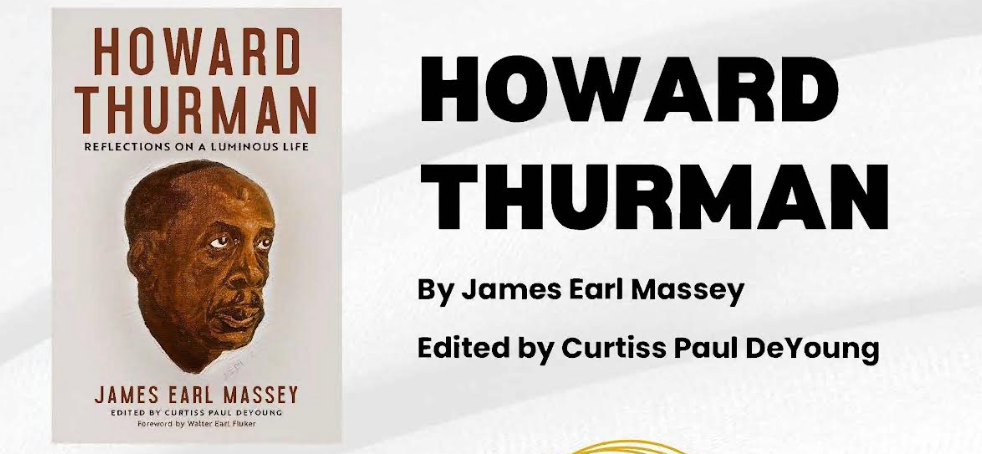
Wednesday, September 30, 4:00 - 6:00 p.m.; United Theological Seminary of the Twin Cities, 767 Eustis Street, Suite 140, St. Paul This biography and assessment of Howard Thurman’s thought was originally written in the 1970s. Howard Thurman was an active participant with author James Earl Massey in the content. The book was never published. Now, 50 years later, the book is available to the public with additional editorial commentary by the Rev. Dr. Curtiss DeYoung. The foreword to the book is written by Walter Fluker, Senior Director of the Howard Thurman Papers Project at Boston University. This launch event for the book includes a panel discussion on the importance of Howard Thurman for today. Panelists are: Dr. Tamice Spencer-Helms, United adjunct faculty member and DMin alum Rev. Tyler Ho-Yin Sit, Founding Pastor of New City Church, Minneapolis Rev. Alanna Simone Tyler, Associate Pastor for Justice and Mission at Westminster Presbyterian Church, Minneapolis Books will be available for sale at the event at a discounted price.
By Bob Hulteen • September 3, 2026
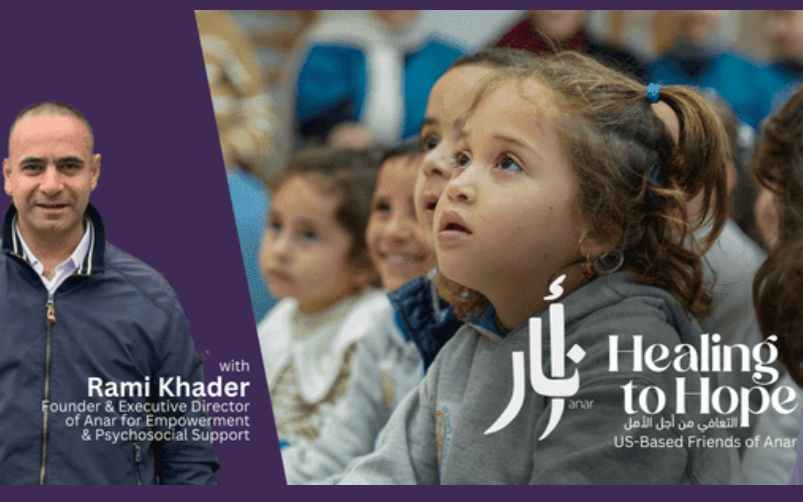
Sunday, September 20, 1:00 p.m. (RSVP required); Legacy Dream Space, 2205 California Street NE, Studio 212, Minneapolis Sunday, September 20, 2:00 - 4:30 p.m.; Legacy Dream Space, 2205 California Street NE, Studio 212, Minneapolis Monday, September 21, 7:00 p.m.; St. John's Lutheran Church, 500 Third Street West, Northfield Tuesday, September 22, 7:00 p.m.; New City Center, 3104 16th Avenue South, Minneapolis Anar founder and executive director Rami Khader will be touring the U.S. on a "Healing Beyond the Headlines: Building a Movement of Hope for Palestinian Children" tour in September and October. Khader will be at several events in Minnesota September 20-23. Khader will share stories from the ground in the West Bank and Gaza, offering a vision of a healing for Palestinian children and their caregivers beyond the stories often heard in the news. 
By Bob Hulteen • September 3, 2026
Sunday, September 20, Noon - 2:00 p.m.; Lake Street/Marshall Avenue bridge (each side), Minneapolis/St. Paul Participants will gather on each side of the Lake Street/Marshall Avenue bridge at noon, and will walk out to the middle of the bridge to join hands with people from the other side of the bridge at 1:00 p.m. At 1:30 p.m., Imnizaska Indigenous singers and drummers will lead a blessing of the Mississippi. The mayors of the two Twin Cities will offer a proclamation at that time. The gathering will be completed by 2:00 p.m. 
By Alicia Coombes • September 3, 2026
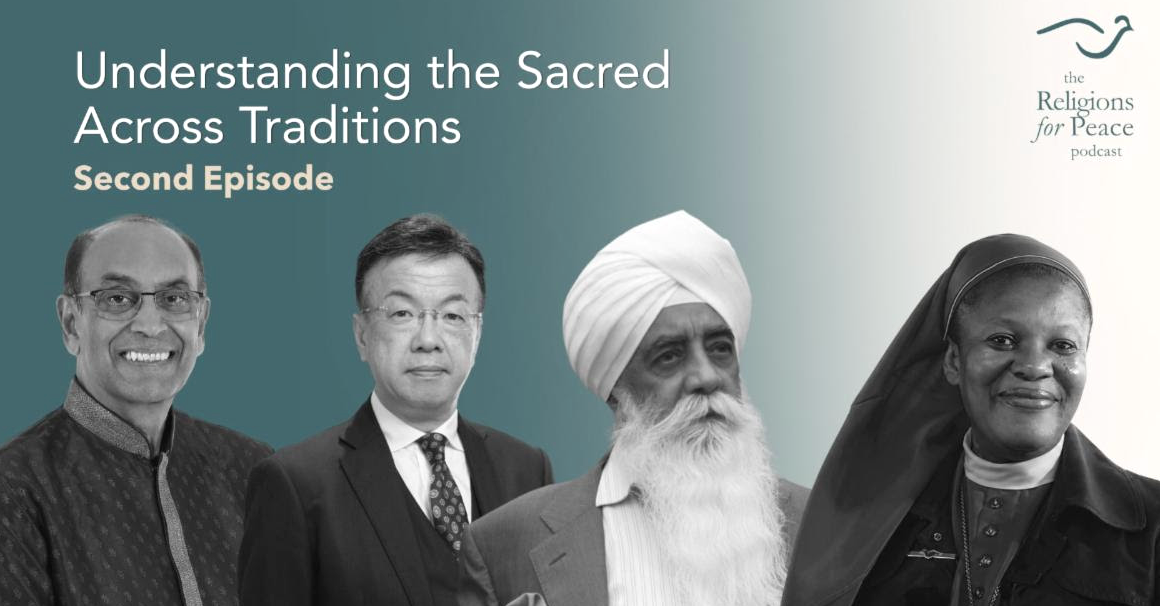
Episode 2 of the Religions for Peace podcast explores "Understanding the Sacred Across Traditions," examining how different faiths understand the Sacred and how these diverse perspectives can foster unity, compassion, and shared action for peace through the vision of Shared Sacred Flourishing. Shared Sacred Flourishing is a framework to foster interreligious collaboration based on the Shared Sacred Worldview. All in the Religions for Peace movement “share” in holding a Sacred Worldview; Shared Sacred Flourishing affirms religious diversity as a strength, rather than homogenizing it. Episode 2 of the podcast explores how distinct world religions understand the Sacred, and how this rich diversity serves as a source of unity rather than division. Introduced by Sister Agatha Ogochukwu Chikelue, the episode demonstrates how grounding action in sacred virtues provides a vital response to the global polycrisis. 
By Bob Hulteen • July 24, 2026
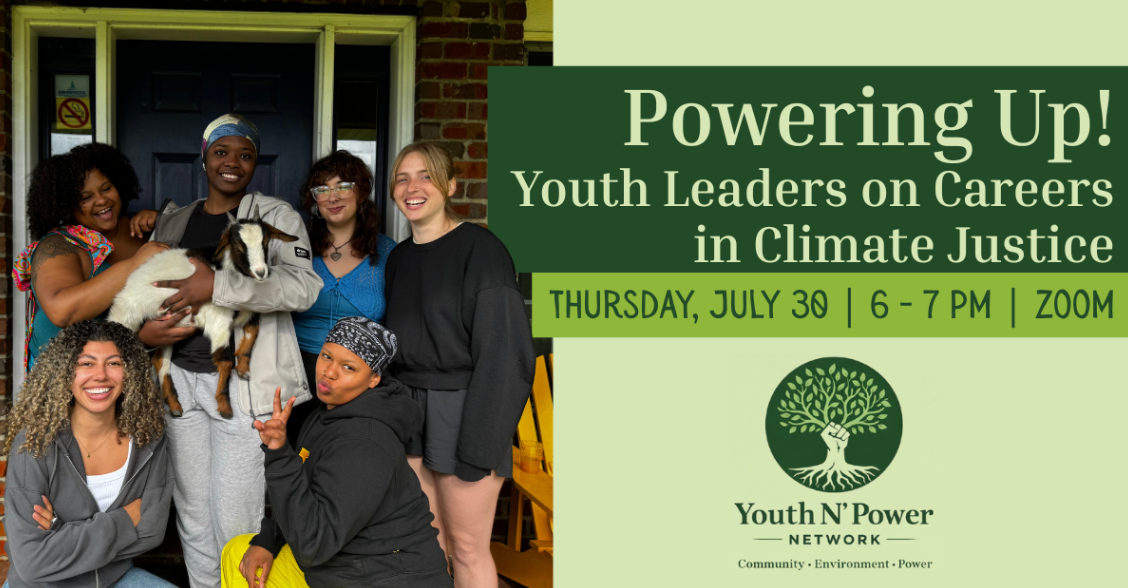
Thursday, July 30, 6:00 - 7:00 p.m.; Zoom Young people across the state are interested in pursuing careers in climate justice. Many of them have already become leaders in the field! Join Youth N'Power for a conversation and presentation about young leaders and their experiences in climate justice careers. You’ll hear firsthand about their experiences navigating school, careers, advocacy, and the transition into becoming professionals. Whether you’re interested in climate justice, community organizing, conservation, or exploring career opportunities, this conversation will offer honest insights, perspective, advice, and encouragement from young people. 
By Bob Hulteen • July 14, 2026
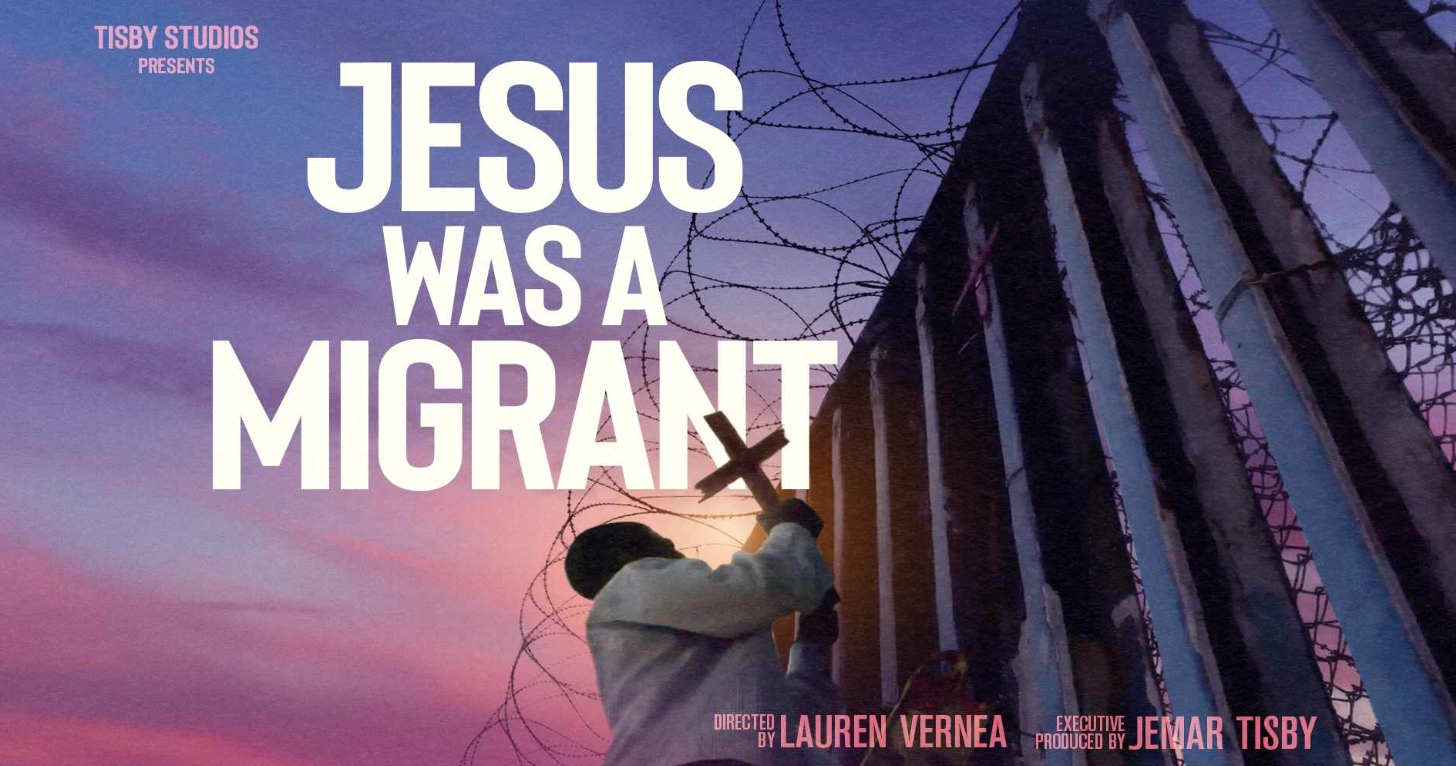
Thursday, August 13, 6:30 p.m, doors open, and 7;00 p.m., screening begins; House of Hope Presbyterian Church, 797 Summit Avenue, St. Paul Join the Minnesota Council of Churches and Minnesota Multifaith Network for a free screening of the documentary “Jesus Was a Migrant,” followed by a guided conversation on Thursday, August 13! This thought-provoking film explores the intersection of faith, migration, and the lived experiences of immigrants and refugees — providing an apt mirror as we reflect on the circumstances we find ourselves in today. Following the screening, guests are invited to participate in a facilitated conversation to discuss the film's themes and consider how faith calls its practitioners to regard their neighbors with compassion, dignity, and understanding. This event is free to attend, but seating is limited. Please register by August 6 to reserve your seat. 
By Bob Hulteen • July 14, 2026
The body content of your post goes here. To edit this text, click on it and delete this default text and start typing your own or paste your own from a different source.
By Bob Hulteen • July 14, 2026
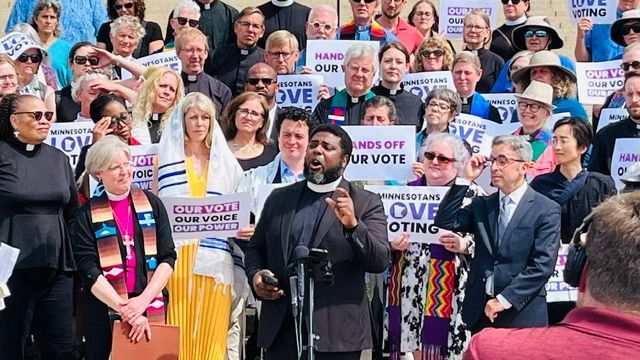
By Rev. Tom Duke On a steamy, sunlit morning at the Minnesota State Capitol, I stood—proud and admittedly sweaty—among about sixty-five clergy from many religious traditions. We gathered in our varied symbolic garb to affirm a shared commitment: advocating for voting processes that are free, fair, secure, and accessible to all eligible voters in the upcoming elections. Why is this the business of clergy? Because protecting the right to vote protects human dignity—a core value upheld across virtually all religious traditions. That dignity, and the voting rights that honor it, form the foundation of just, peaceful, and healthy communities. Most faith traditions aspire to such communities, and they recognize that democracy depends on safeguarding the voice of every citizen. This commitment is not about partisan politics or specific policy agendas. It is about human thriving and well‑being. Religious leaders understand how institutions can be distorted, even corrupted, by greed and the pursuit of power, and how accountability to voters is a necessary check on those tendencies. The opportunity to choose leaders—or reject them—is as close to sacred as a secular process can be. What made this press conference especially powerful was that clergy from multiple religious traditions spoke publicly with one voice. That unity is possible only because of years of intentional relationship‑building across differences—work that cultivates trust, mutual respect, and shared purpose. Through that process, leaders discover shared values, principles, and aspirations, even as they acknowledge real differences. Although differences often draw the most attention, far more is held in common across traditions than most people realize. When we do not know what we have in common, our differences will divide us; when we do know what we share, those differences can enrich us. Respectful and appreciative relationship‑building across differences is not optional; it is essential to our collective future. As theologian Hans Kung observed, “without peace among religions there will not be peace in the world.” Each of us can stretch toward greater curiosity, reaching out to neighbors of different cultures and traditions to learn what we share and where we differ. We can also support organizations that cultivate interreligious cooperation in service and justice work. I’m grateful to ISAIAH and Faith in US for convening this press conference and to the Minnesota Multifaith Network (MnMN) for its years of relationship‑building. You can read a news story about the press conference and explore the national clergy sign‑on letter, " Faith Leaders Defending Democracy ," which has already been signed by nearly 2,000 clergy across many states. 
Show More